Supporting digital artists, exhibitors and collectors.
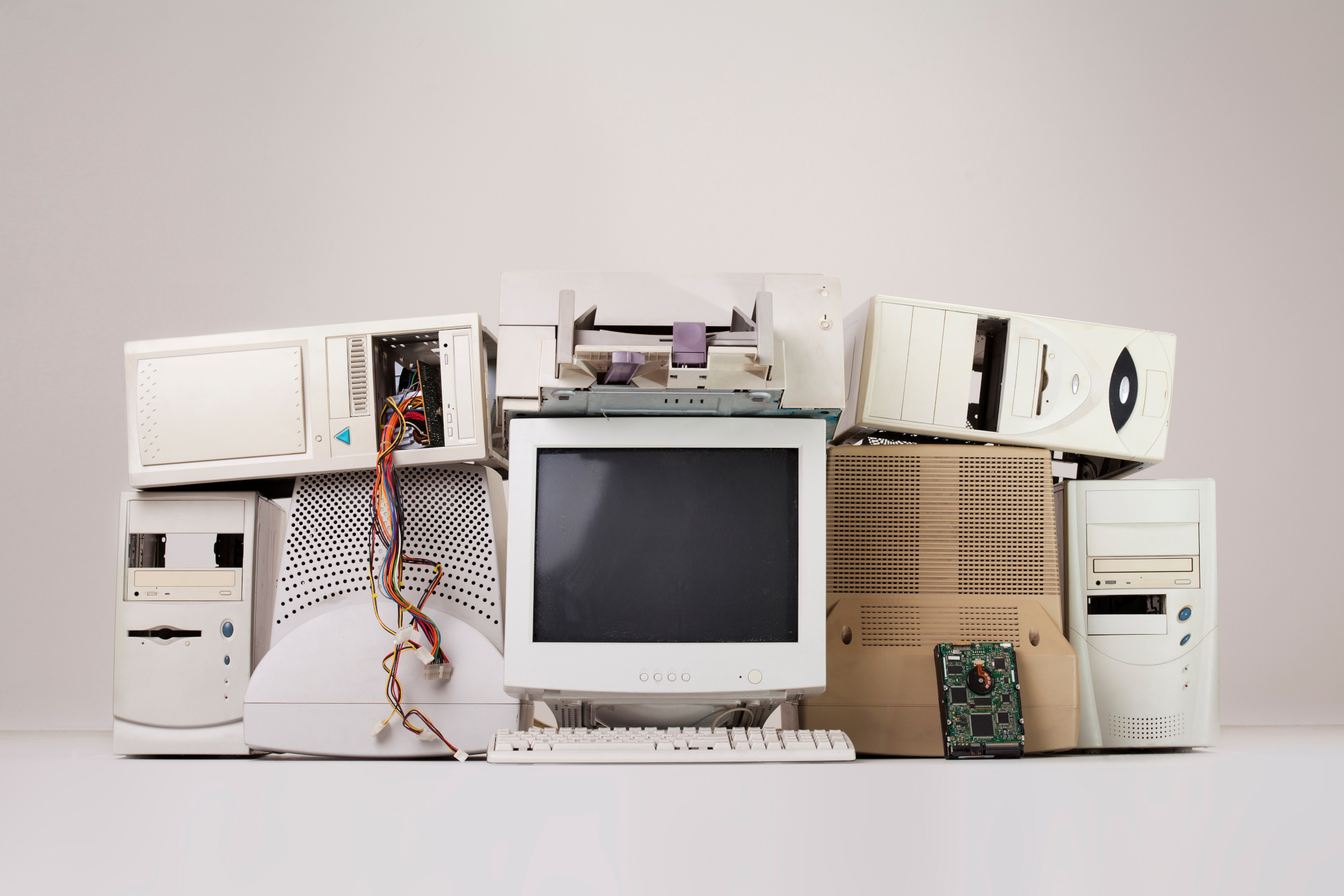
Digital art is continually affected by technology obsolescence.
Reviving digital art pieces requires close collaboration among artists, curators and technology experts.
We follow a principled approach that involves three primary phases.
For each art piece, we consult with the artist or a curator to obtain information about the technical requirements.
In addition, we consider all relevant stylistic aspects and contextual aspects in order to obtain a detailed set of requirements.
The requirements are used to define specifications for the installations and determine assessment metric.
Overall it is important to create documentation that will guide all the subsequent phases.

We assist owners and custodians of the digital art in delivering installations to the locations where they need to be presented.
Depending on the complexity of the art piece, we choose optimal ways to distribute the art peace.
Typically we enable delivery using dedicated mini-PCs and online installations that can be accessed remotely.
If desired we can work with the artist and curators in enabling distribution of the digital artpiece.
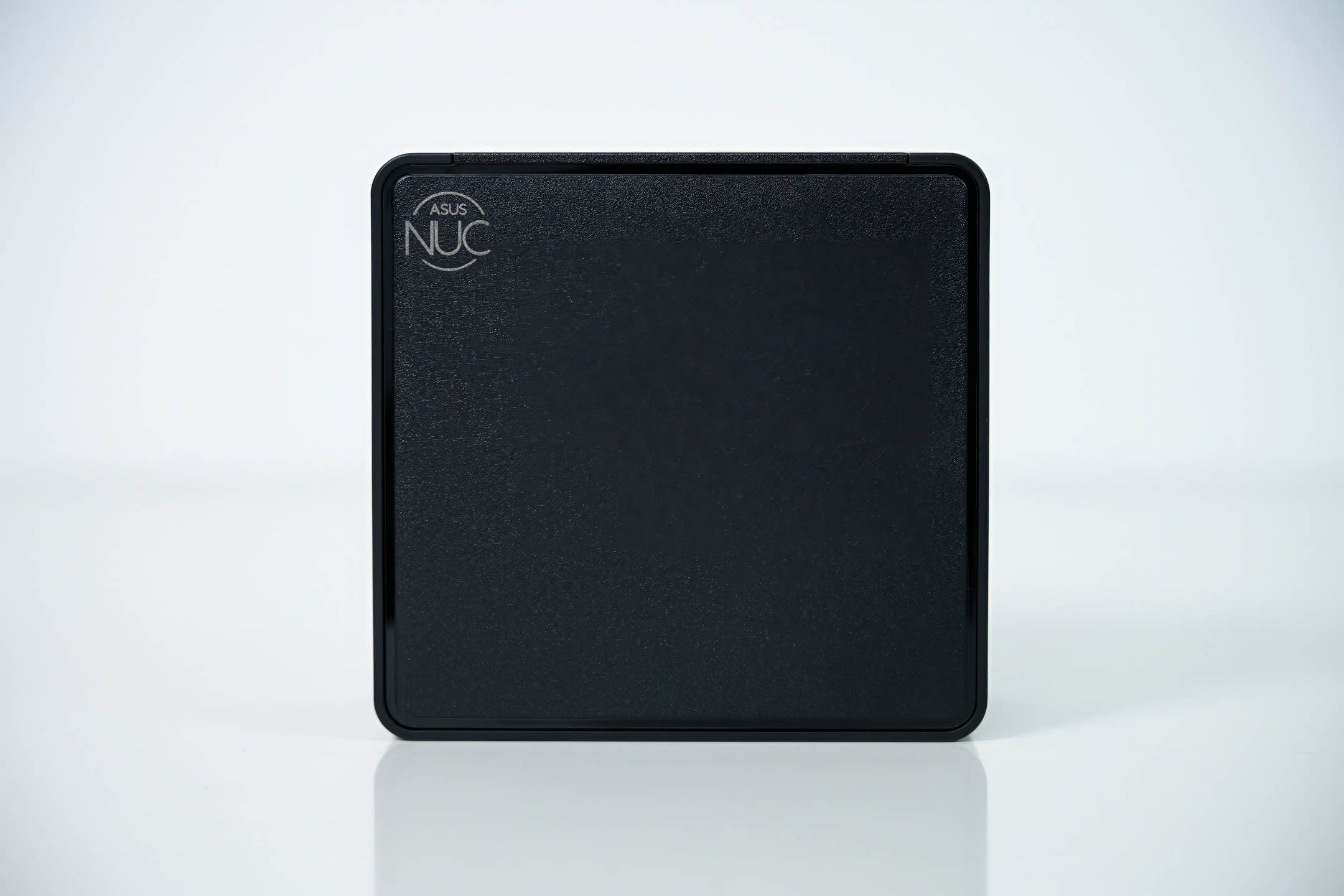
We will provide NUC computeboxes and the conserved art piece files as necessary for revivalof the exhibition.
There will be long-term maintenance and servicing of software environments and installations, with periodic updates and replacement of computeboxes as required.

Technical components of an art piece inevitably become obsolete over time. That applies to both hardware and software.
In order to display digital art, one has to provide a complete environment. If we need to use legacy operating system and applications, it is essential that they are isolated. Otherwise, they may be come a target of cyber attacks.
Isolation is achieved through a dedicated and disconnected device or by creating a virtual environment in which legacy software is installed and run.
Using a dedicated device with modern display functionality typically provides the best performance. We typically use mini-PCs with technical specifications that are needed for the piece. Currently we deploy ASUS NUC mini-PCs.

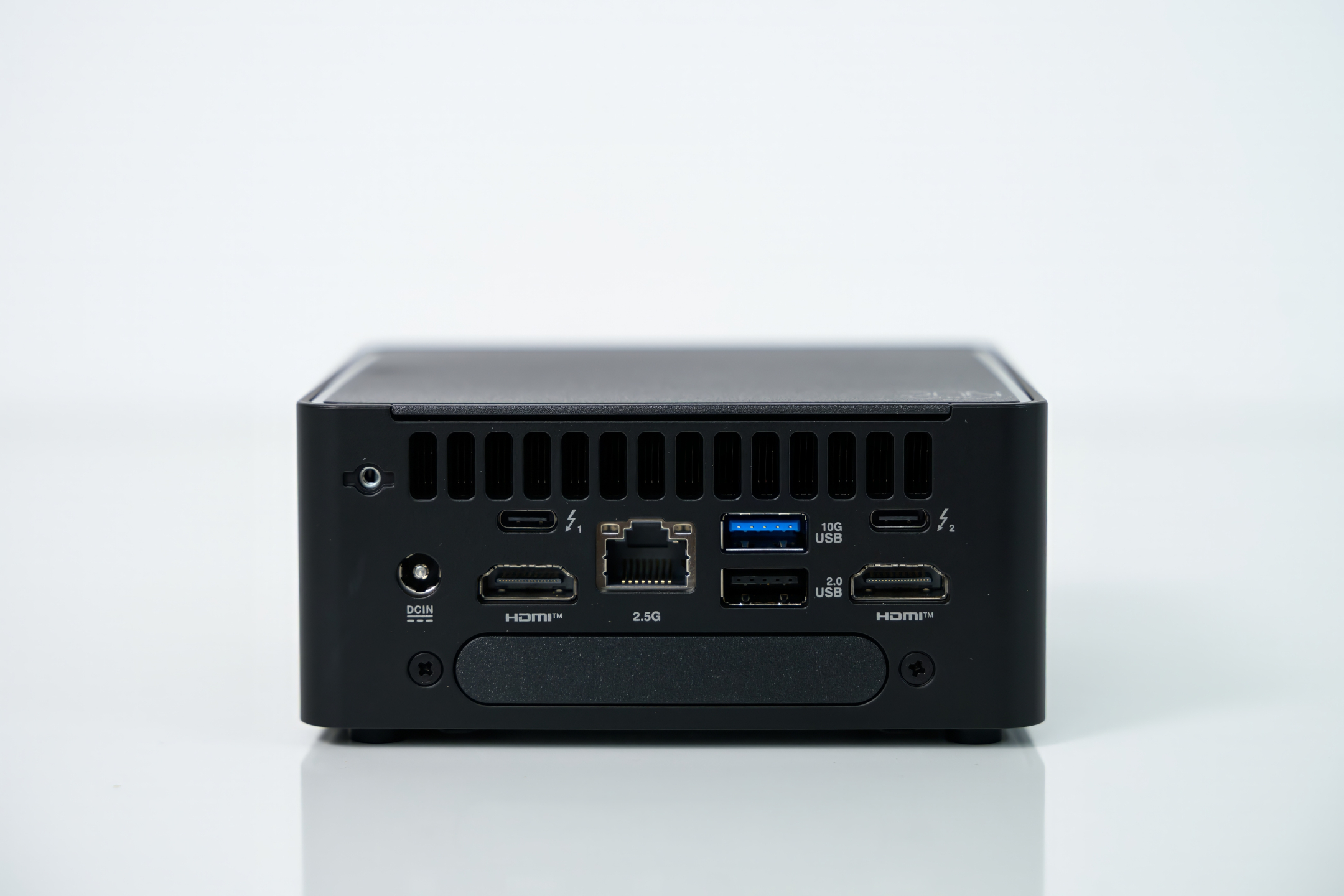
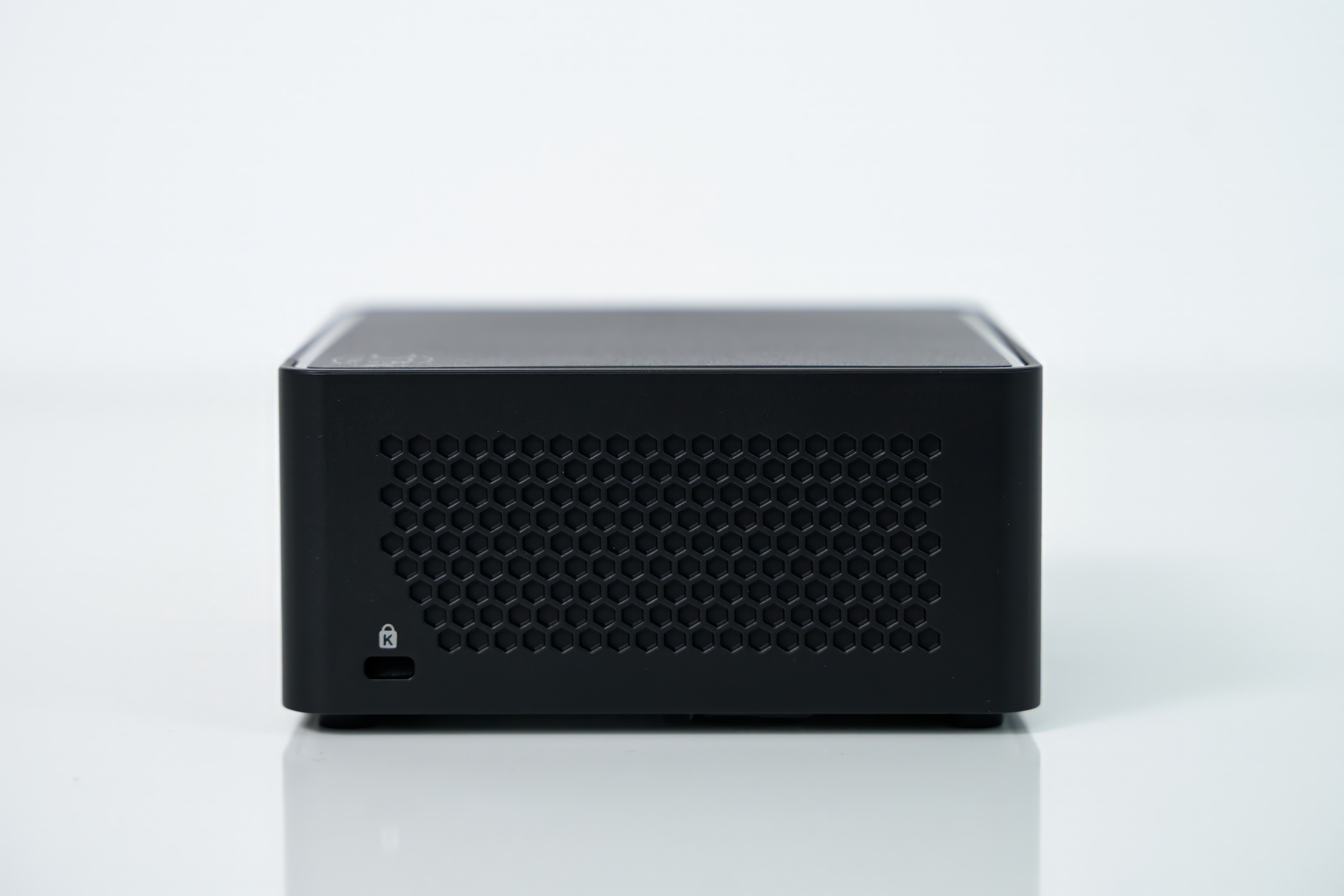
Our approach provides long-term quality assurance through ongoing monitoring and updating of installations.
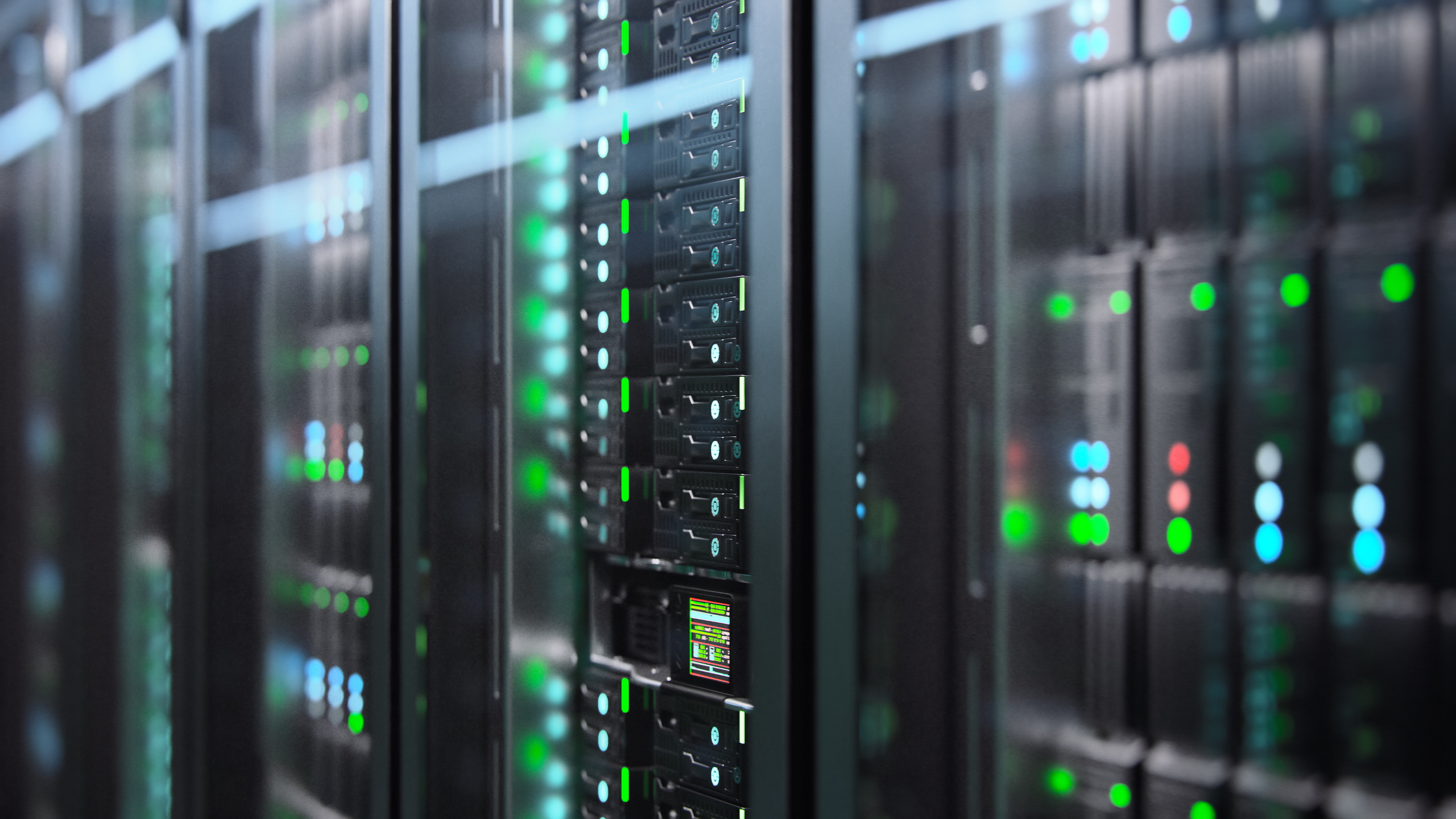
We keep installers and images of virtualised environments in our secure data centre. When digital art is distributed using mini-PCs, local installations can be upgraded by downloading and applying updated installations. This is part of Intact Digital's ongoing support services.
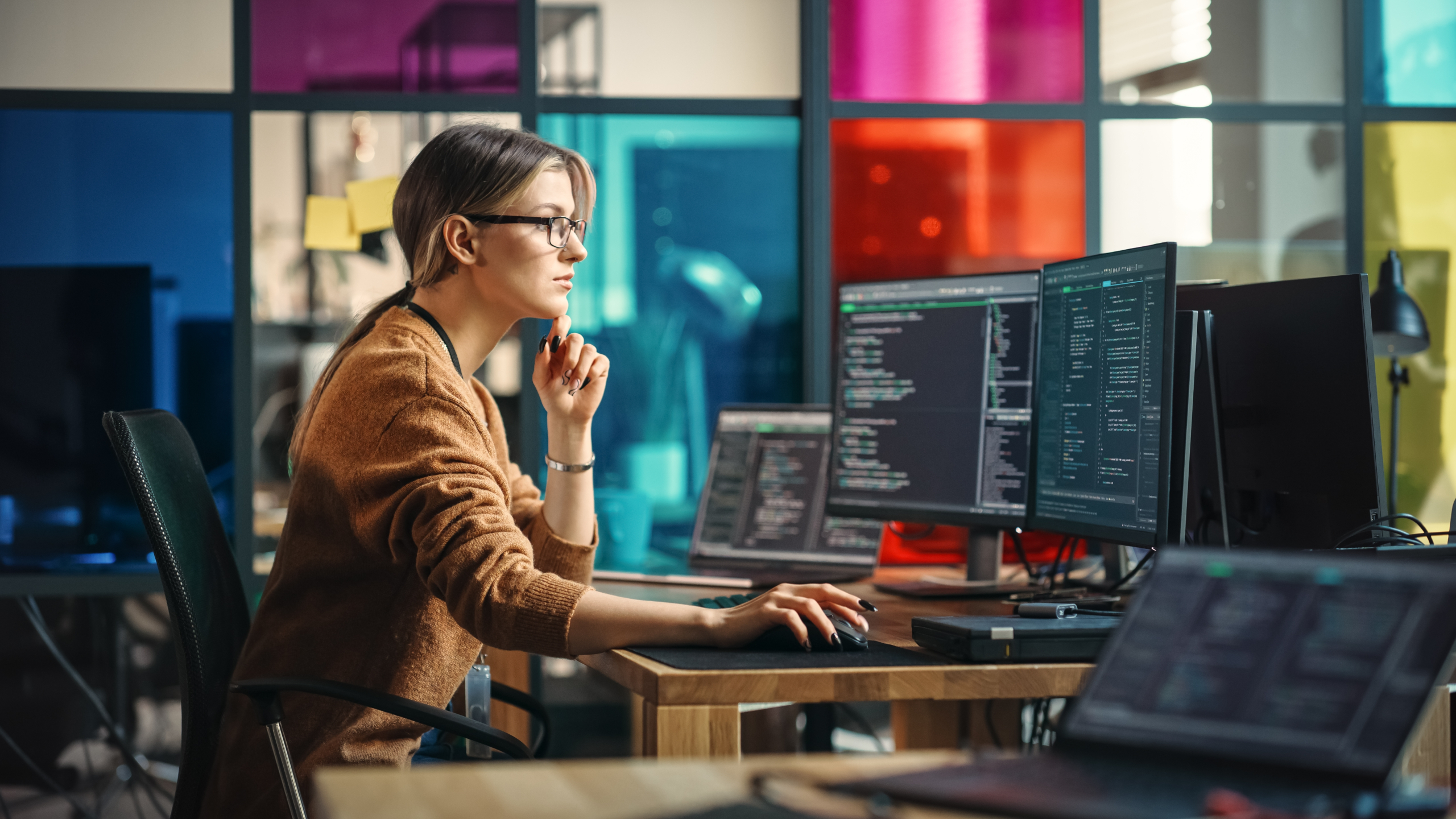
With a hybrid approach of combining local installations and centralised installations in our data centre, we achieve desired flexibility, availability and reliability of digital art.
Virtualised installations of digital art in the data centre can be used through remote desktop. They can run and use art installations directly through a standard browser, without any special local installations. This is typically suitable for art pieces that do not require fast interaction and response time.
The Intact Digital data centre also hosts a Digital Vault for secure storage of digital art assets that are needed for reinstallations of the software environment.
Use case: Adobe Flash Player
In December 2020, Adobe ceased support for Adobe Flash and, from 12 January 2021, blocked Flash content from running in the Flash Player to protect users from security risks. This affected artist and author communities, with concerns about impact on collections of digital artworks that use Flash and Flash Player to reach Web audiences.
With the standardisation and adoption of the Virtual Reality Modeling Language (VRML), authors could also specify platform-independent 3D objects with rich structures, textures, sounds and interaction.
Parallel Graphics’ Cortona3Dviewer for VRML provided additional creative opportunities by enabling artists to combine VRML with Flash textures.
All artworks using these technologies are now affected.
Intact Digital is working actively on the methods for reviving Flash-based and VRML enabled digital art. It has reconstructed and revived works hosted on Turbulence.org which is now obsolete and can be found only on archive.org.